1-800-355-2335 |
Mon-Fri: 7:30am - 4pm EST |
Contact Us

Wood Snow Fence
Item # SNOW-FENCE-WOOD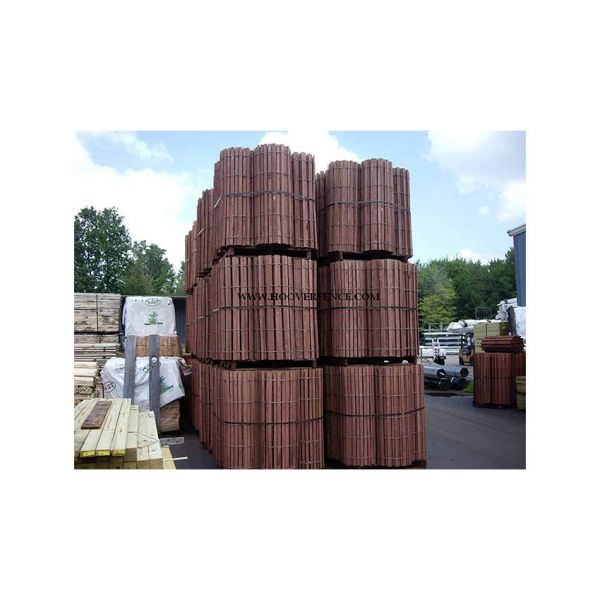



Details
Details
Wood Snow Fence (SF-450R)
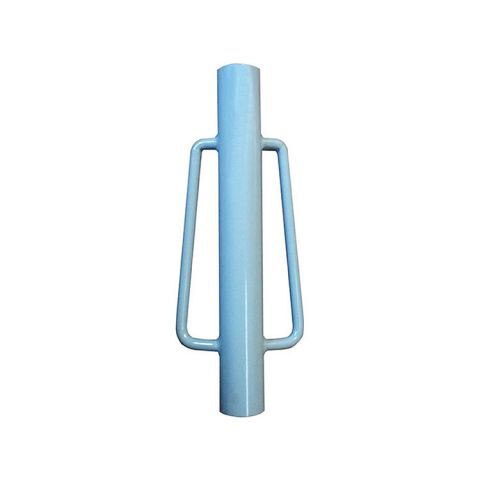
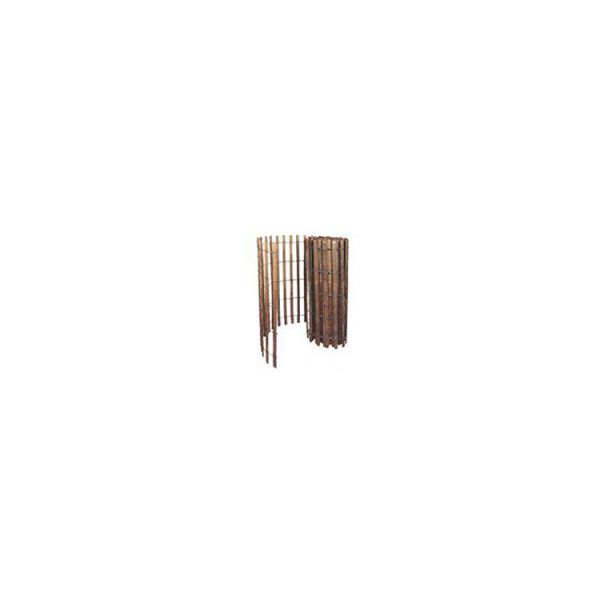
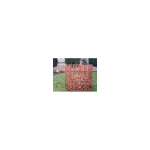
Description - Snow fence is constructed from aspen and spruce wood slats which are woven together with 13-gauge galvanized wire. Each wood fence slat is approximately 3/8" thick, 1-1/2" wide, and 48" long and cut square on both ends. These wood fence slats are spaced approximately 2-1/2" apart making it an ideal snow barrier fence. Wooden fence slats are typically painted with a quality red oxide stain which holds up well outside in the elements. 13-gauge galvanized wire is used to hold wooden fence slats in place, five horizontals rows of two wires each, spaced approximately 10" apart vertically. Retaining wire is twisted 360° a couple times between wood pickets actually binding into the wood slats and locking them in place. Snow fence is usually stood upright on steel fence posts which have been driven in the ground.
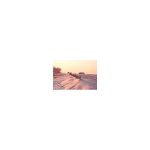
Advantages -Snow fence is typically installed and removed seasonally to prevent snow from drifting onto residential and commercial driveways, highways, and even airport runways. Drifting snow can be dangerous and expensive to plow and remove. Snow fence can decrease costs associated with maintaining property and improve property safety. Wood snow fence is significantly stronger than plastic fence and has a rustic appeal. Wooden snow fence may be used as a temporary removeable fence to create walkways and paths seasonally and removed easily later.
Snow Fence Theory - The theory behind snow fence is really pretty simple. A properly designed and built snow fence will cause snow to drift down wind of it. An eddy will form behind the fence line whenever the wind passes over it, causing a rolling wind current that flows downward and to the back side of the fence. This formation will cause fast and slow places to develop in the wind which makes a drift form in front of the fence on the windward side. A well designed snow fence can both prevent snow from drifting where it is not wanted and retain snow where it is desired.
Disadvantages - Wood snow fence is typically installed as a temporary barricade. If you need a permanent fence, we suggest you conisder other styles and types. The constant installation and removal of this style of fence can cause damage to wooded fence slats. Broken fence slats can become unsightly.
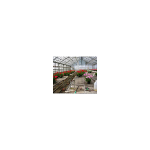
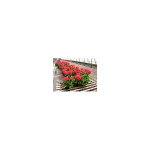
Uses of Wood Snow Fence - Although primarily installed to prevent snow drifting, wooden snow fence has been used in a variety of other applications such as farming and agricultural fence, temporary fence, landscapers fencing, greenhouse benching, construction fencing, crowd control fencing, roof shading, water collection and retention fencing, and animal containment.
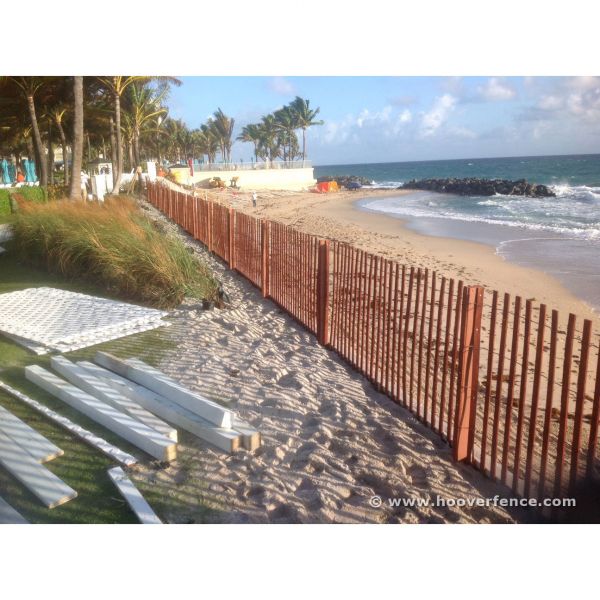
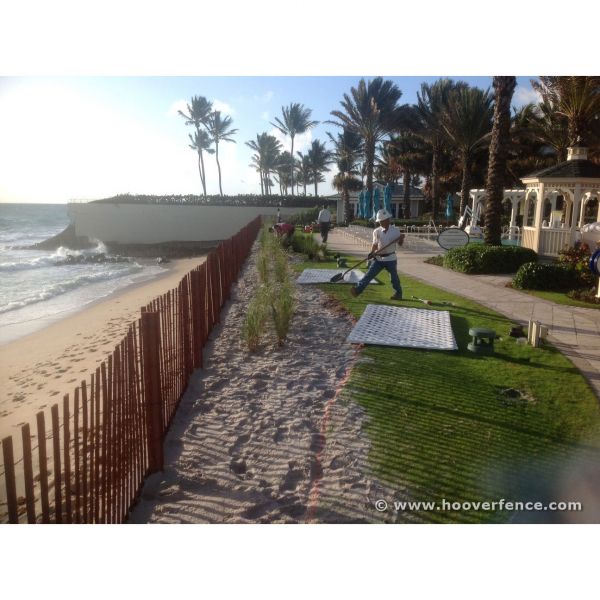
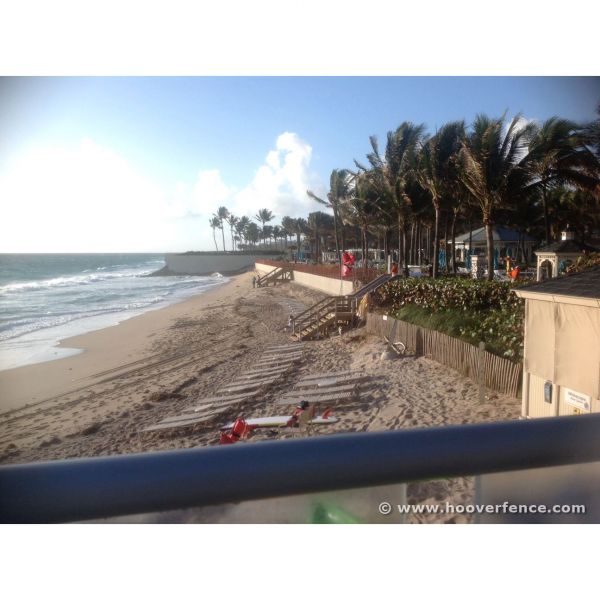
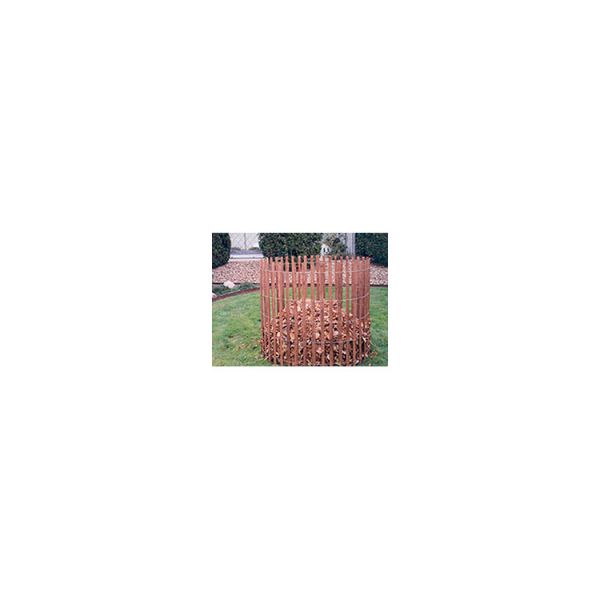
Additional Uses: Temporary fence, construction fence, compost fencing, beach and sand fencing, greenhouse shelving, shade material (horizontally, on a pitch, or vertically), and various agricultural uses.
Ordering Notes: Minimum Order Quantity of 9 Rolls
Specifications
Specifications
Snow and Sand Fence Specifications
DESCRIPTION: Snow fencing shall consist of wood slats woven together with five two wire strands of galvanized wire.
MATERIALS: Slats shall be made of no. 1 aspen or spruce measuring (3/8") three-eight inches thick, one and one-half (1-1/2") inches wide and forty-eight (48") inches high. The permission variation in width shall not exceed one-sixteenth (1/16") inch and one-quarter (1/4") inch in length. Thickness shall be a minimum of three-eights (3/8") inches thick but shall not exceed 9-sixteenths (9/16") inches thick. Both ends shall be cut square. The slats shall be painted with good quality of red iron oxide stain. The base metal of the wire shall be of a good commercial quality of steel. The galvanized steel wire shall be not less than thirteen (13) steel wire gauge. The weight of the coating shall not be less than three-tenths (0.3) ounce per square foot of uncoated wire surface. Determined in accordance with AASHO Designation T65 (Class 1). Weight of Coating on Zinc-Coated (Galvanized) Iron on steel Articles. The zinc coating shall adhere to the wire, without flaking and without being removable by rubbing with bare fingers, when the wire is bent completely around a pin of the same diameter as that of the wire.
FABRICATION: The slats shall be spaced two and one-quarter (2-1/4") inch apart plus or minus 1/4", and there shall be not less than two (2) three hundred and sixty (360) degree twist of the wire in the weave between the slats. The fabric must be tightly woven so that the wire is forced into the wood slats sufficiently to hold them tightly. The strands of wire shall be spaced (10) inches apart and four (4) inches from the ends of the slat. The fence shall be stretched after weaving and before being placed in rolls.
| Size | Weight |
|---|---|
| 4'H x 50' Roll | 110 lbs. |
Weights shown are approximate.
Reviews
Reviews
Average Customer Rating:
 (1 Review)
Write a Review (requires login)
(1 Review)
Write a Review (requires login)
Jeff was very understanding and easy to..
Reviewer:
A viewer
from New York
Jeff was very understanding and easy to work with. He was always prompt to my questions. He kept me informed all the way. Very professional experience. I wish Hoover Fence abundance Success.
1-1 of 1
Shipping
Shipping
Shipping Expense Disclaimer: All orders are subject to confirmation. Additional shipping expenses, although rare, may apply due to weight, size, location, and/or other variables. Should your order require additional funds to cover the transportation of goods, you will be contacted prior to order processing for approval.
Parts for this product